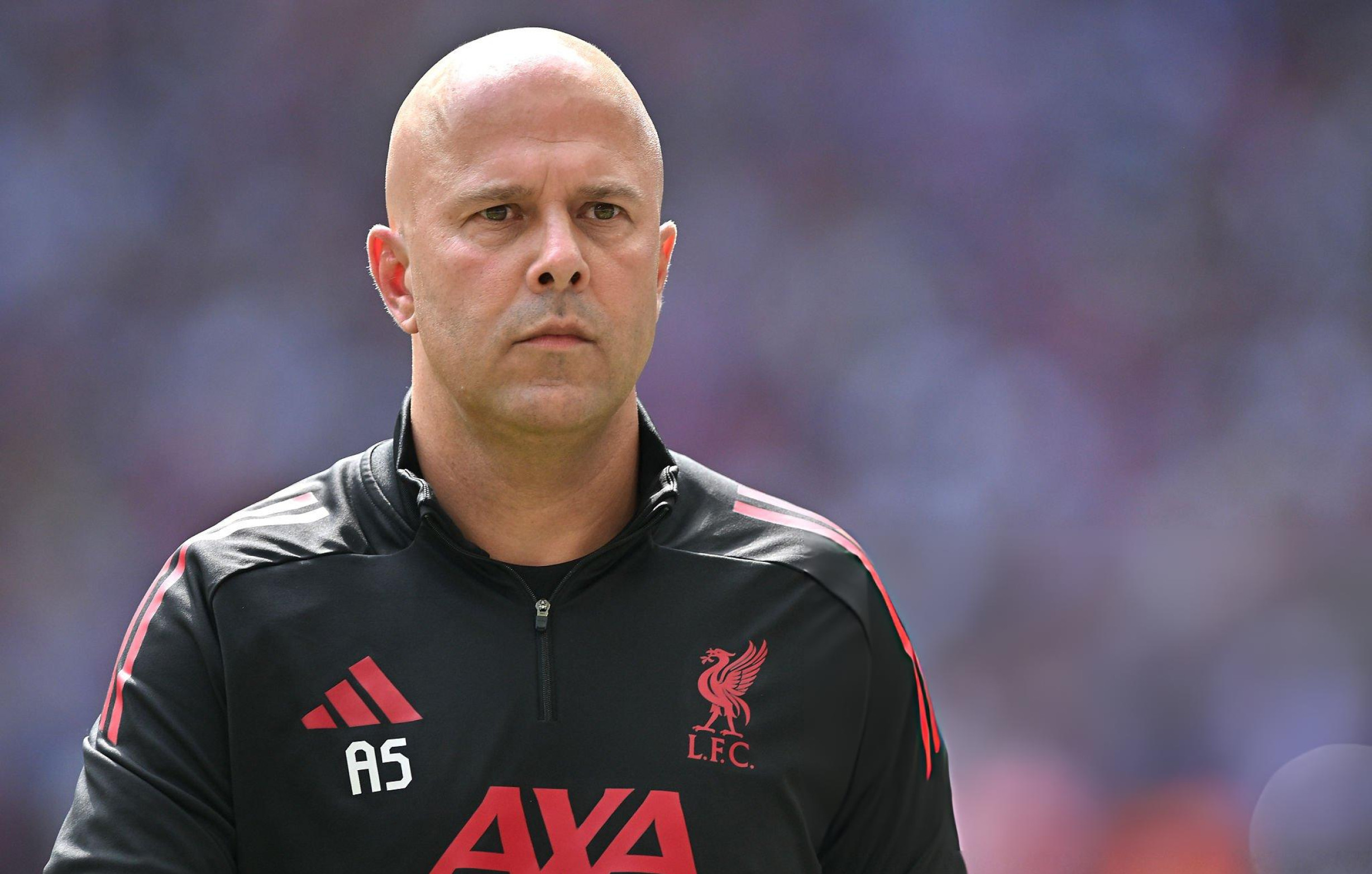
Arne Slot is finding little relief as Liverpool’s turbulent season grinds on. What should have been a routine FA Cup third-round tie against Barnsley at Anfield instead became another uncomfortable evening that raised more questions about the Dutchman’s grip on his job. Despite a 4-1 victory, the performance only reinforced concerns that Liverpool remains fragile, predictable, and far from convincing under their new manager.
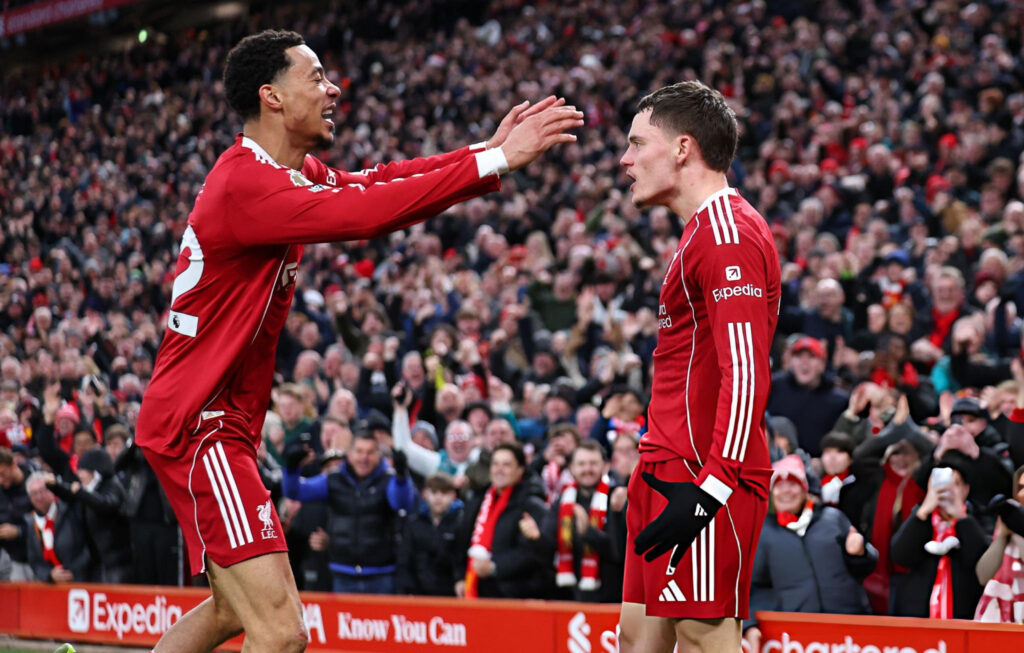
Liverpool initially appeared in control. Dominik Szoboszlai opened the scoring with a thunderous effort from distance, before Jeremie Frimpong delighted the Anfield crowd with his first goal for the club, an emphatic finish that hinted at growing confidence. But just as the Reds seemed to be cruising, chaos struck. Szoboszlai attempted an inexplicable back-heel inside his own six-yard box, gifting Barnsley a goal and injecting needless tension into the contest.
After the match, Slot did not hide his disbelief. He admitted the decision was baffling, explaining that such a choice had no place in competitive football, whether in a cup tie or even on the training ground. However, he chose to keep the full extent of his frustration private, opting instead for a one-to-one conversation with the midfielder.
That single error completely changed the tone of the evening. What should have been a stress-free passage into the next round turned into yet another examination of Liverpool’s defensive vulnerability and ongoing struggles against deep-lying opponents. Ultimately, the Reds only regained control after the second-half introductions of Florian Wirtz and Hugo Ekitike — two marquee signings whose combined transfer fees exceeded £170 million.
The final scoreline flattered Liverpool and did little to calm growing scepticism among supporters. If anything, the pressure intensified — particularly because, earlier that same day, a familiar and highly tempting name re-entered the managerial market.
The successor Liverpool once dreamed of
When Jurgen Klopp announced his departure ahead of the 2023-24 season, there was widespread belief that Xabi Alonso would be the natural heir. The former Liverpool midfielder was in the midst of a historic campaign with Bayer Leverkusen, guiding them through an unbeaten domestic double and earning admiration across Europe for his modern, intelligent approach to coaching.
Alonso quickly became the most coveted manager in football. Elite clubs lined up, especially those deeply connected to him as a player — Liverpool, Bayern Munich, and Real Madrid among them. Yet at that moment, Alonso chose continuity over temptation, committing himself to Leverkusen and ruling out a return to Anfield.
That decision cleared the path for Slot, who exceeded all expectations during a remarkable first season. Liverpool surged to a 20th league title, sealing the crown with games to spare. Slot even outshone Alonso on the European stage, dismantling Leverkusen 4-0 in the Champions League. Two days after Alonso was unveiled as Real Madrid’s head coach, Slot was named Premier League Manager of the Season.
Fast forward to now, and the contrast could not be starker.
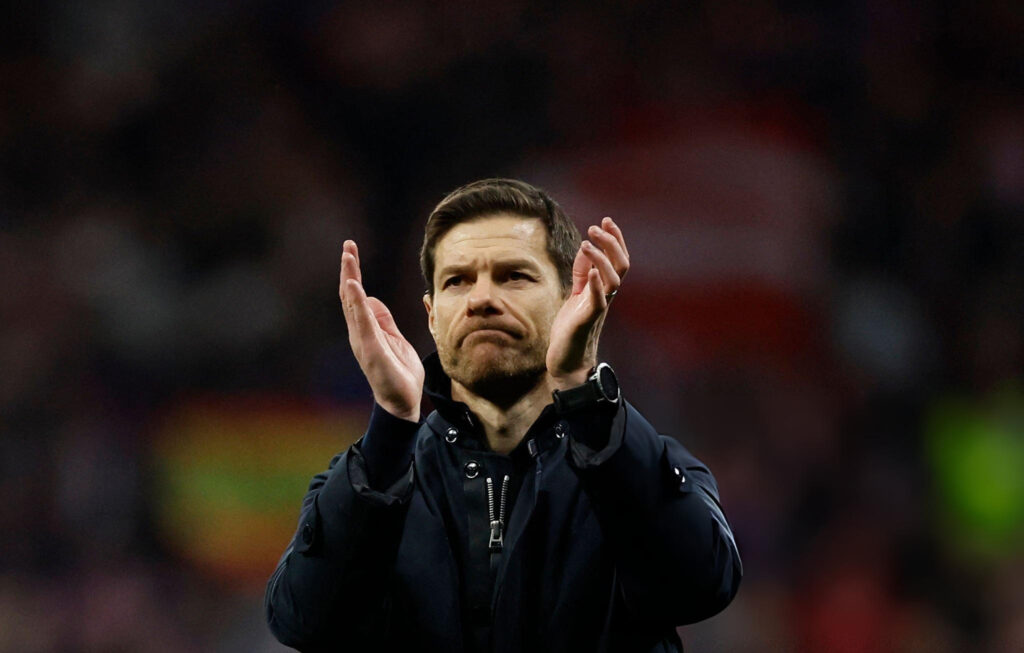
Alonso’s Madrid exit and renewed speculation
Less than a year after being hailed as one of football’s brightest minds, Alonso found himself dismissed by Real Madrid. Officially, it was described as a mutual decision. In reality, it was a classic case of dressing-room politics and player dissatisfaction.
Several high-profile figures reportedly grew frustrated with Alonso’s demands and intensity. Vinicius Jr was openly critical early in the season, and others quietly followed. In Madrid, where superstar influence often outweighs managerial authority, Alonso’s fate was sealed.
Despite this setback, his reputation remains largely intact — particularly at Liverpool. Many supporters still see him as the embodiment of the club’s identity, both as a former player and a coach capable of delivering exciting, progressive football.
Crucially, Alonso’s availability has returned at the worst possible time for Slot.
Progress without persuasion
Results have improved on paper. Liverpool is unbeaten in 11 matches across all competitions. But performances continue to frustrate. Creativity is limited, tempo is slow, and breaking down defensive blocks remains an unsolved puzzle. Five draws in nine league games underline that stagnation.
Even the recent draw away at Arsenal — widely praised — exposed familiar problems. Liverpool controlled possession but failed to seriously threaten, leaving the gap at the top of the table embarrassingly large. Slot himself admitted surprise at the positive reaction, noting that similar displays earlier in the season were met with criticism.
He openly acknowledged that while Liverpool dominates the ball, their final-third execution and set-piece effectiveness lag behind elite rivals. Those deficiencies, he insists, are being addressed daily on the training pitch.
Signs of hope — but no clear identity
Encouragingly, Liverpool’s summer signings are beginning to settle. Wirtz is finding form, Ekitike is growing in confidence, and Frimpong’s athleticism adds a new dynamic down the right. Milos Kerkez’s strong display against Bukayo Saka also offered hope that his early struggles may be behind him.
Yet optimism remains fragile. Injuries, inconsistent form from key midfielders, makeshift defensive solutions, and unresolved tensions involving Mohamed Salah continue to cloud Slot’s project.
Most alarming of all is the absence of a clear tactical identity. Supporters still struggle to define what Slot’s Liverpool truly is. There is little sense of evolution, little excitement, and little assurance that this team is moving toward something greater.
Liverpool fans are famously patient — but only when they see progress. With the league title gone, performances now matter as much as results. Cup runs may buy time, but dull football will not.
And with Xabi Alonso back on the market, the shadow looming over Arne Slot has never felt darker.